


Lyle's last voyage
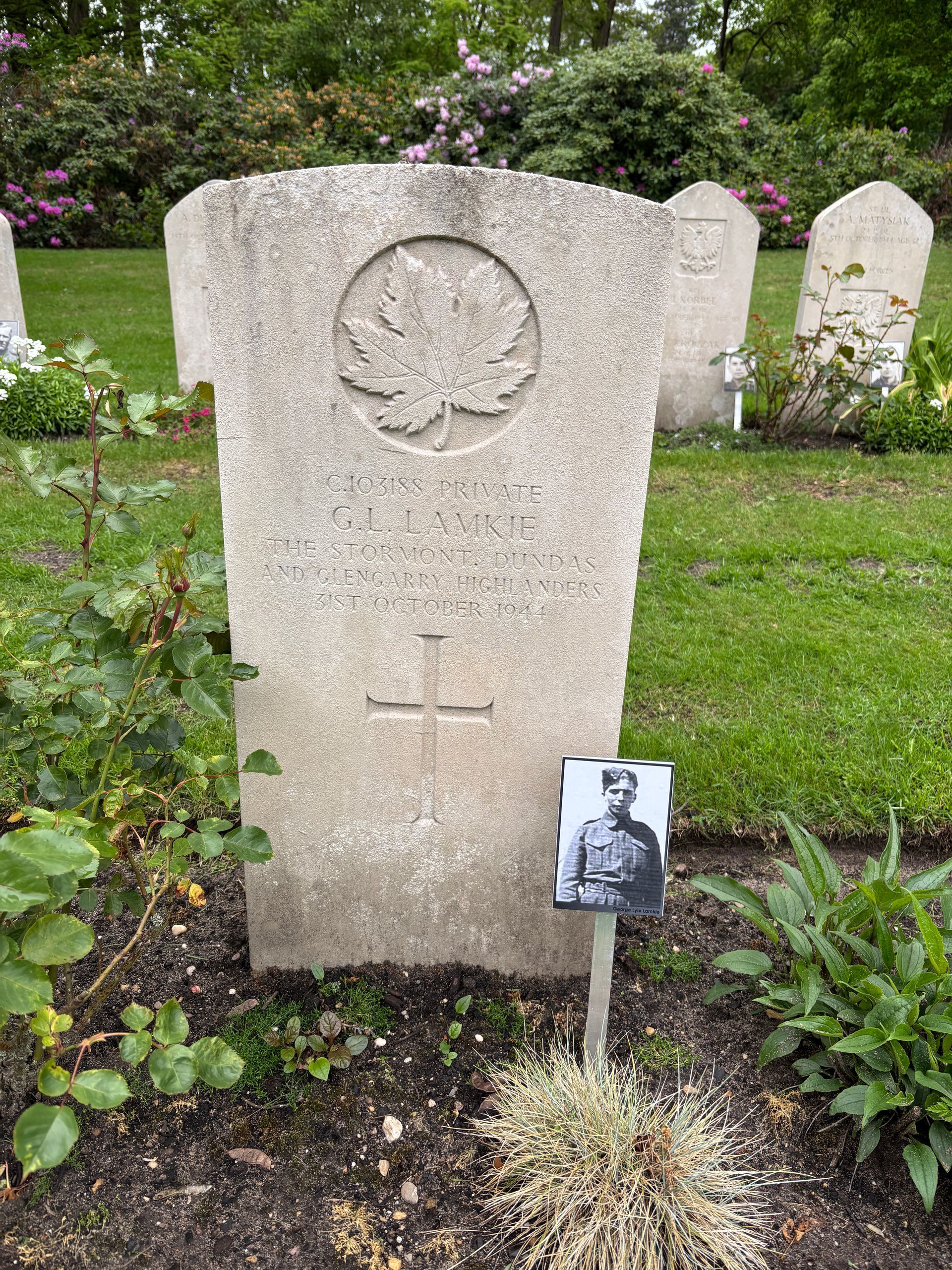
As D-Day Dodgers Foundation we started our journey in Sicily back in 2021 by placing photos in front of the headstones at Agira Canadian War Cemetery. Now in 2026 we've also expanded our wings to Northwest Europe and have placed photos on Uden War Cemetery and most recently on Mook War Cemetery, both in the Netherlands. On Mook War Cemetery there are 322 men buried all killed during the Second World War. By placing 130 photos in front of the headstones, the kick off for Faces of Mook was done.
During the Commonwealth War Graves Commission War Graves Week our Foundation gave tours to people who were interested to know more about Mook War Cemetery, but also the soldiers buried there. We couldn't tell stories without digging through military files, war diaries and other related items to tell them.
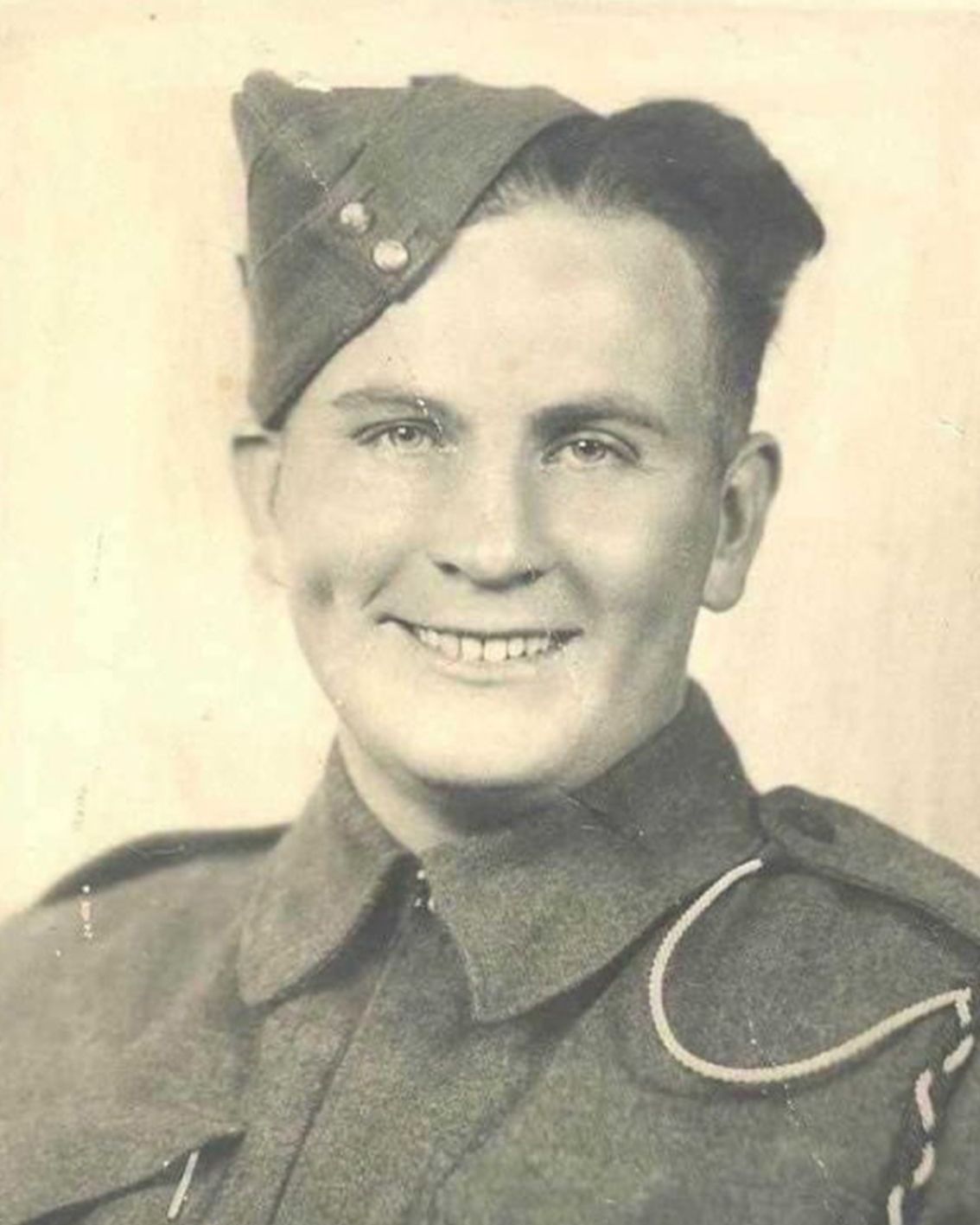
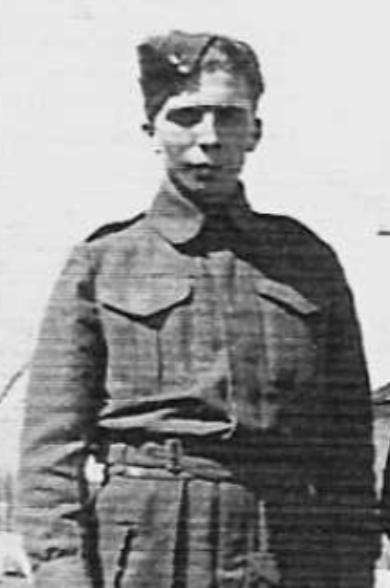
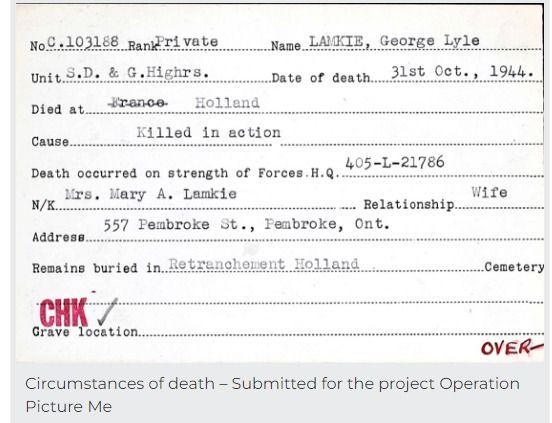
A story which crossed our attention was a quite remarkable one. Mook War Cemetery has eight Canadians buried there and one of them is George Lyle Lamkie who served with the Stormont, Dundas and Glengarry Highlanders. Lyle, as he was called, was born on 5 February 1924 in Perretton, Ontario. He came from a large family who lived in Pembroke and had two younger brothers and nine sisters. Lyle was a famer just like his father.
On 26 March 1943 Lyle enlisted in the Canadian Army in Ottawa, Ontario and on 6 October 1943 he married Mary Alice Larone of Pembroke, Ontario.
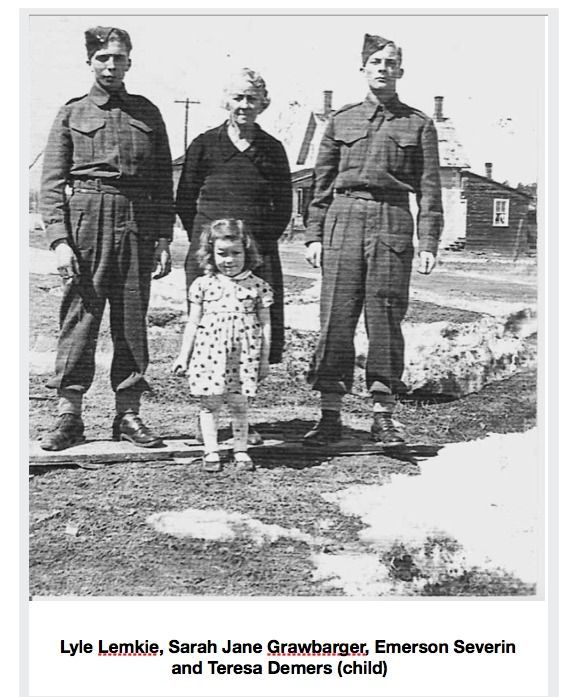
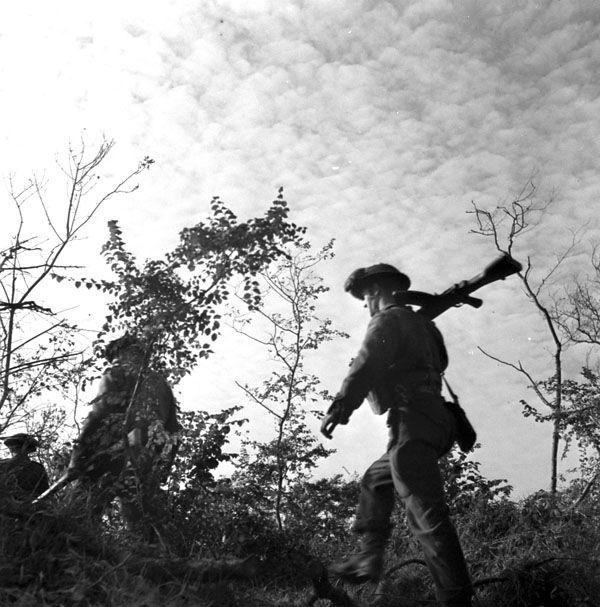
After his basic training Lyle embarked for the United Kingdom where he arrived on 7 May 1944. He was first added to a reinforcement unit and embarked for France on 2 July 1944. Here he disembarked the next day and was added to the strength of the Stormont, Dundas and Glengarry Highlanders. He was involved in the fierce battles in Normandy and the Channel Ports like Operation Wellhit near Boulogne-sur-Mer, France.
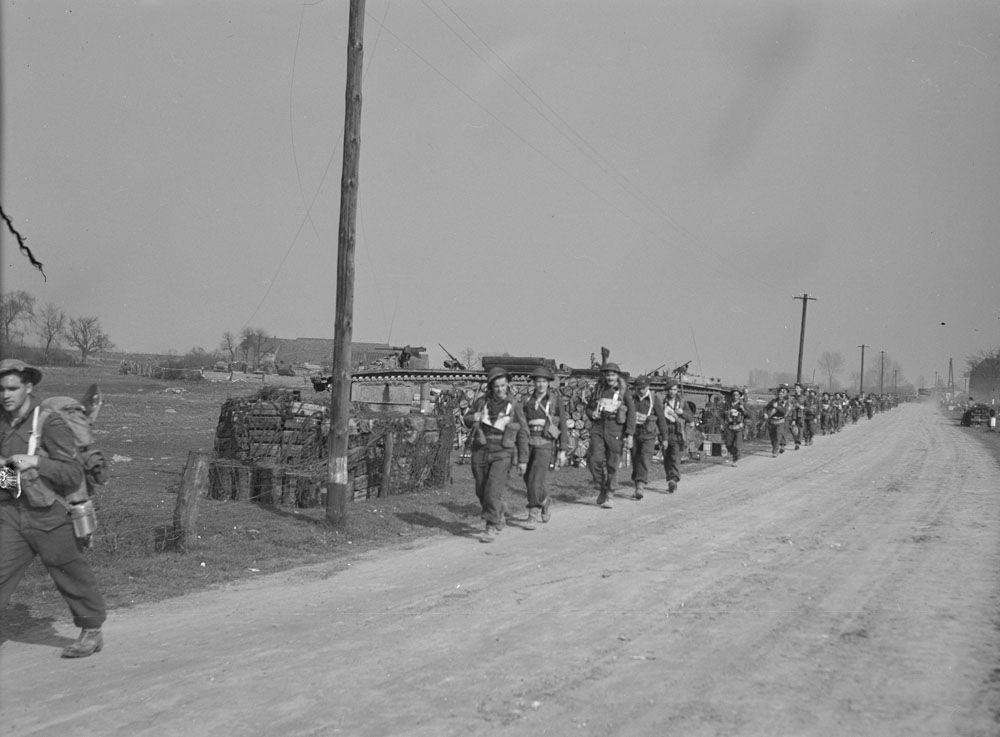
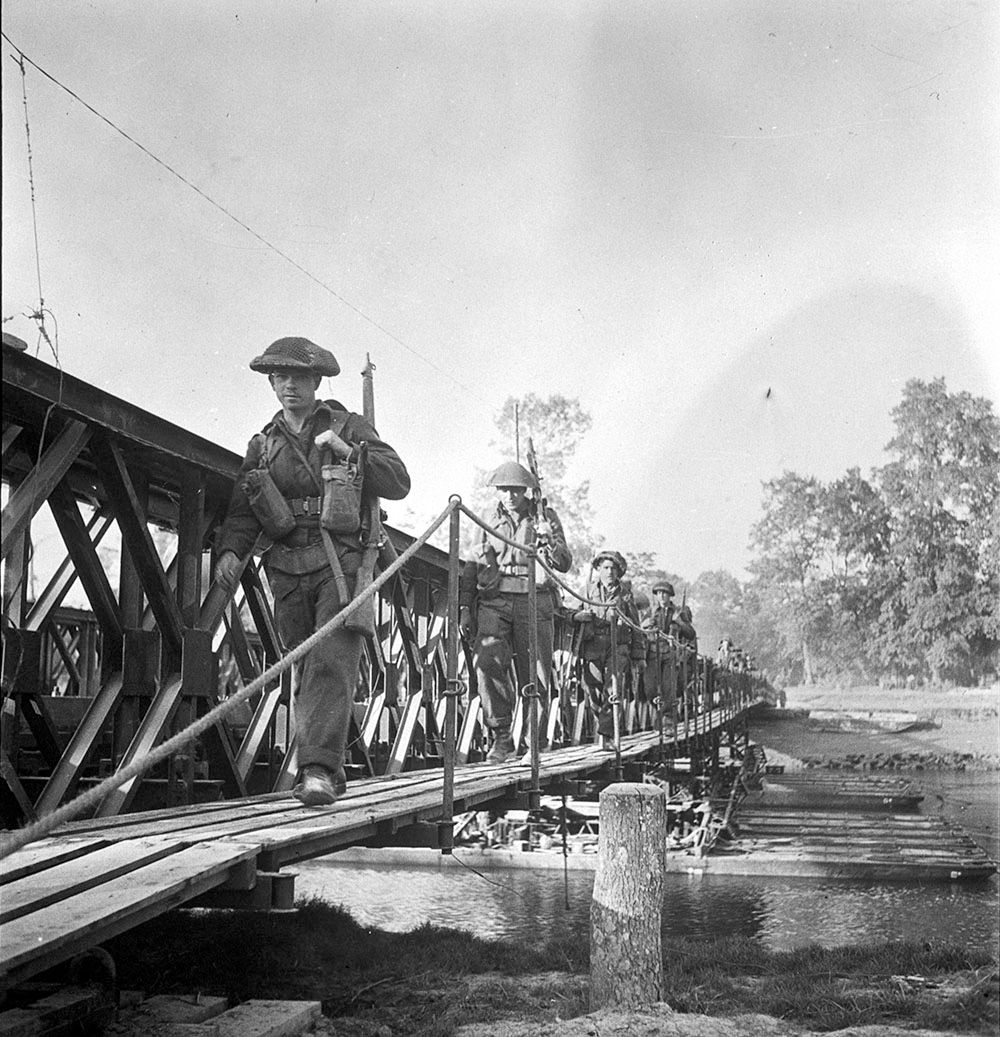
On 31 October the Glens were involved in the Battle of the Scheldt. They had to cross a canal near the town of Retranchement which is right on the Dutch-Belgian border. From the Glens' regimental book "The Stormont, Dundas and Glengarry Highlanders 1783-1951" by Lieutenant Colonel W.D. Boss, C.D. the following was described about the attack that day near Retranchement:
"On the 31st October the Battalion moved to Retranchement for the purpose of ejecting the enemy from Knocke and Heist. The bridge over the canal had been blown so it became necessary for “A” and “B” Companies to cross in boats without supporting arms while the Engineers hurriedly constructed a bridge that “C” and “D” Companies eventually used. The Unit moved forward with slight opposition from the enemy. The German communications were none too good at this time and when the attack went in most of the enemy were asleep.
“A” Company proceeded along the dyke to Fort Hazegras. They saw two Germans returning to the Fort after outpost duty and quietly followed them, taking advantage of the lowered drawbridge to slip into the ancient battlement. Then they awakened the Germans to tell them they were prisoners of war. When the telephone at the Fort remained unanswered, the German Headquarters in Knocke sent a couple of men to repair it. They were taken prisoner. Then an officer and despatch rider arrived to ascertain the cause of the trouble. They were added to the collection. Then a whole platoon came marching down the road. The Glens hailed them twenty yards from the gate, where they dropped their equipment, and they were marched into the Fort as prisoners. A horse-drawn ration wagon that came bringing a meal for the garrison suffered the same fate.
Five officers and a hundred soldiers were captured in the early stages; reports from the H.L.I. of Canada who were advancing in line with the Glens indicated that they, too, were taking many prisoners. Amongst those captured by the Glens was a clerk who was taking a parade state of the Sluis Garrison to the German Headquarters at Knocke. This return showed that the Sluis Garrison consisted of 7 officers and 300 other ranks, very well equipped with weapons.
There were some peculiar situations during the action. A German officer and his section came along a dyke. Pte. Joe Powers, who had no weapons, stepped out in front of the detachment. “Who are you?” asked the Captain in perfect English “Canadian”, replied Powers. “Why, I’m amazed,” the Captain said. Powers asked, “What are you doing here,” “I’m looking for my Company.” Powers grabbed a rifle from one of the men, and said, “I’m good enough company for you,—come along with me.”
The Battalion took five hundred prisoners during the engagement at Knocke and although most of them surrendered without a fight, before night fell four Highlanders had been killed, – Lce./Cpl. H. A. Barr, Privates G. L. Lamkie, W. A. McLeod and W. J. Ace, – and six had been wounded.
Mention must be made here of the gallantry of Captain Charles P. Rance, the Battalion Medical Officer, whose disregard for personal safety was an inspiration to all around him. In one particular instance, a shell fired from Heist created fifteen soldier and ten civilian casual-ties. Although still under heavy artillery fire, Captain Rance treated and evacuated these casualties with great skill and extreme coolness."
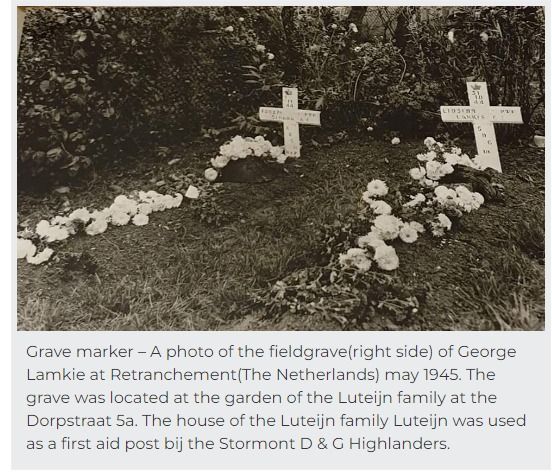
Lyle was initially buried in the garden of the Luteijn family who lived at the Dorpsstraat 5a in Retranchement. Their house was used as a first aid post by the Canadians during the war. Lyle was buried together with Private Albin F. Sumara who was killed in action on 1 November 1944 and served with the North Nova Scotia Highlanders. Private Sumara was buried at Adegem Canadian War Cemetery in Belgium.
But how is it possible that Lyle wasn't buried at Adegem just like Sumara and ended up at Mook War Cemetery? From Retranchement to Mook War Cemetery today it is a journey of 242 kilometers! Lyle's military files don't give any answers to how he ended up in Mook and neither do the files of the Commonwealth War Graves Commission. He wasn't wounded in action and evacuated to a hospital in the Nijmegen area, so it seems that the Graves Concentration Unit drove with his body all the way from Retranchement to Mook.
We will try to dig further how Lyle ended up at Mook War Cemetery, although we also realise that it might be a dead end... Nevertheless, Lyle's story deserves to be told and his ultimate sacrifice not to be forgotten!
Read about our journeys in our blogs
This is our Explore Diary