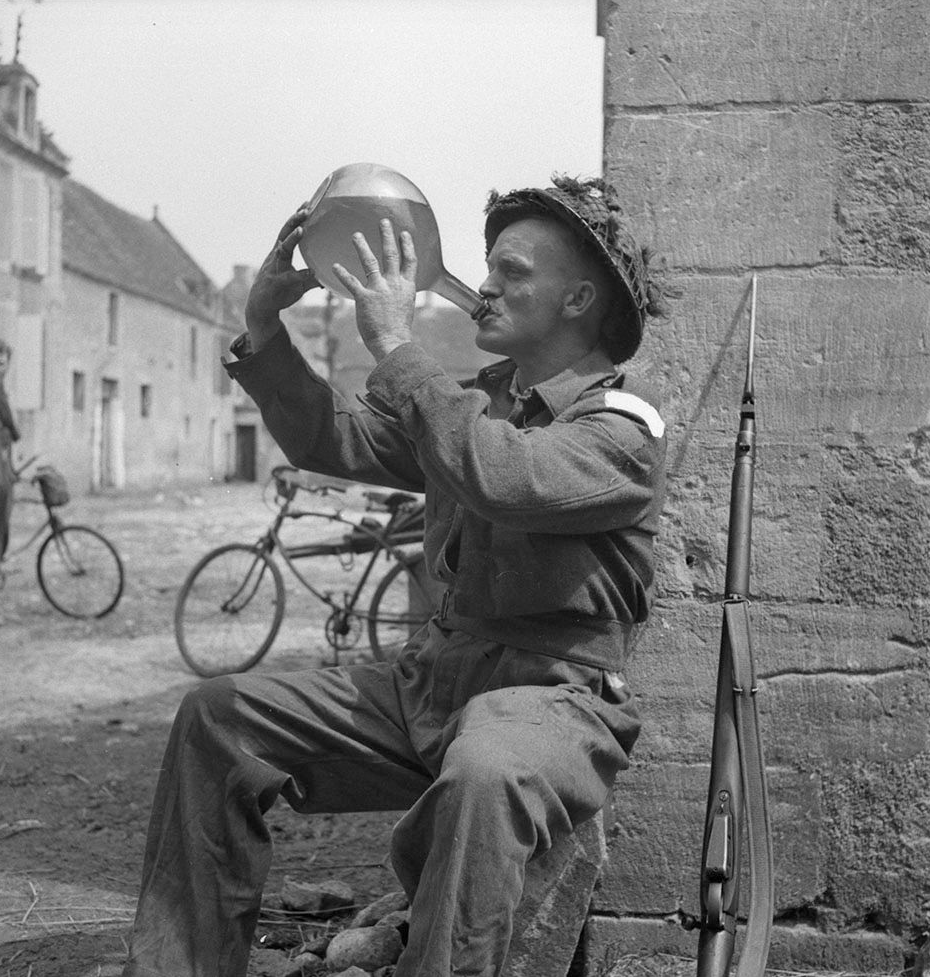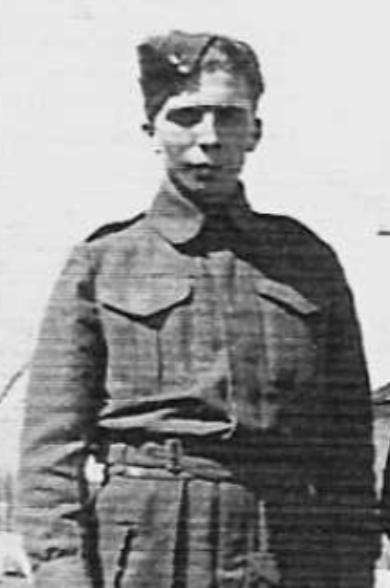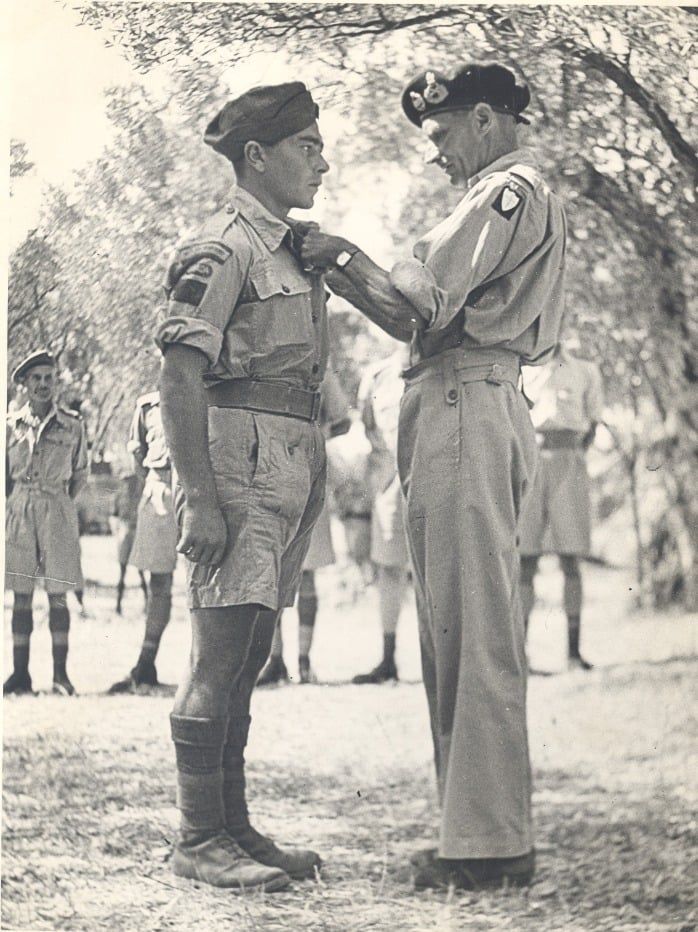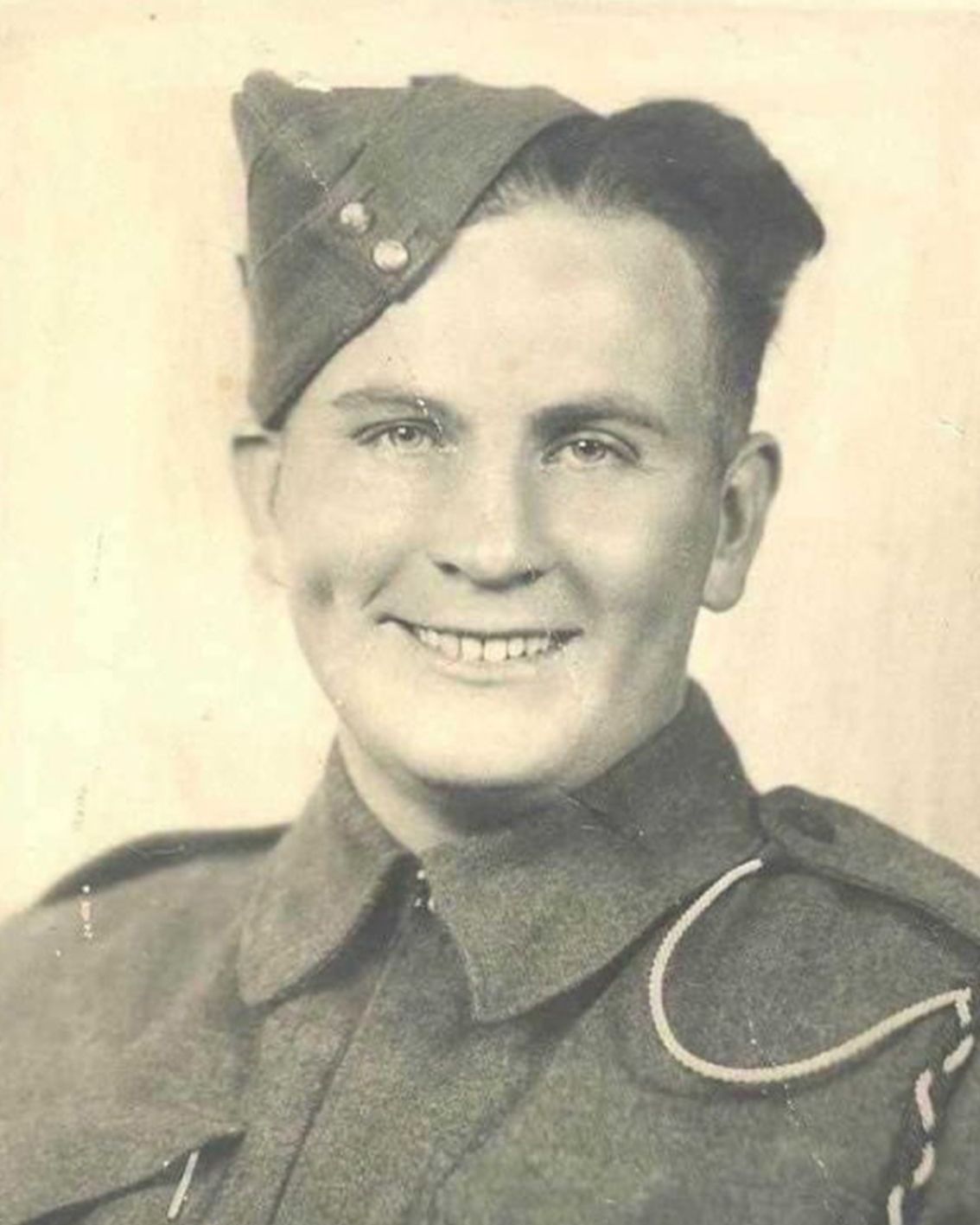


The bloody battle of Bienen: The North Novas attacking the town.
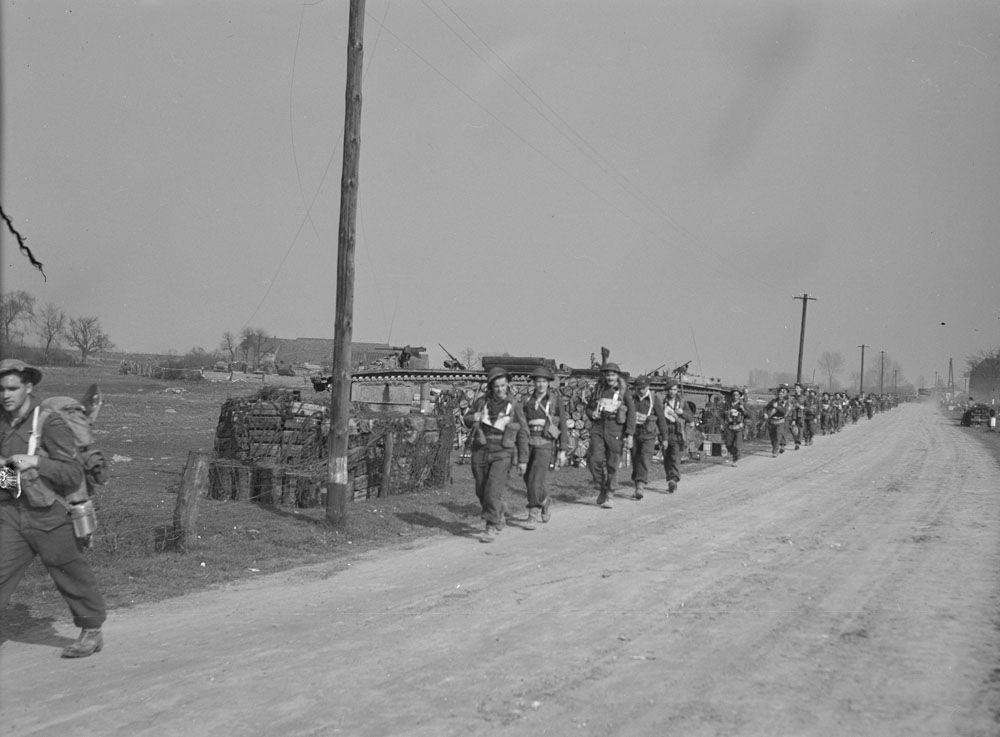
A story which we think deserves to be told is that of the North Nova Scotia Highlanders who took a hard beating on 25 March 1945 near the town of Bienen in Germany during Operation Plunder.
After the North Nova Scotia Highlanders had left Materborn Ridge, Germany on the 24th of March 1945 to cross the Rhine they took over the positions of the 7th Battalion Argyll and Sutherland Highlanders (51st Highland Divsion). The Argylls had beaten off two enemy counterattacks against heavy casualties near Bienen, so they had to be pulled back from the front line. The task was given to the North Nova Scotia Highlanders to take Bienen.
Bienen was a vital objective to the Germans because of the road from Emmerich towards Millingen was running through it. The town of Bienen was reinforced with fresh troops of the 115th Panzer Grenadier Regiment who were fighting fanatically to hold this vital objective.
The North Novas set up their Command Post (CP) at a farm which was also in use by the Argylls. The plan was to first fire artillery on Bienen with a fire plan that consisted out of concs and stonks and when the attack was going to be set in several guns would fire smoke to cover the attack. Also in support of the advancing Companies were the Cameron Highlanders of Ottawa with their heavy machine guns.
A-Company of the North Novas had support from Duplex Drive Sherman tanks (amfibious tanks also used during D-Day) from the Essex Yeomanry. Also with each forward company was a section of Engineers and also two six pounder guns with a Forward Observation Officer (FOO).
The assembly area of A and B-Companies was along a dyke near the Altrhein (translated old Rhine) with a view on Bienen. This was also close to their start line and the Battalion was to move off at 07.00 hours. H-Hour, the moment of attack, was set at 09.00 hours, so at broad daylight.
At 08.15 hours both A and B-Companies moved alonge the dyke towards their start line, but A-Company reported ten minutes later that they were already pinned down along the dyke. Heavy machine gun and sniper fire along with mortars were coming down on them. B-Coy was also under the same fire, but managed to reach the start line. Here both companies suffered their first casualties. Just before H-Hour a smoke screen was layed by the artillery.
When it was H-Hour at 09.00 hours both Companies moved of from their start line. Five minutes later B-Coy reported to be completely pinned down in front of the start line. They were out of contact with two of their platoons and suffered heavy casualties. The same fate was happening to A-Coy who lost contact with one platoon and also had severe losses. It was obvious that the Battalion lost the initiative of the attack and contact between the platoons was next to impossible due to the murderous fire and heavy mortars.
The CO of the North Novas saw that it was almost an impossible task to get through to Bienen and twenty minutes after the attack had set in he contacted Major Learment of A-Coy to tee up a new attack immediatelt with tanks and artillery. At 10.30 hours nothing had been tied in because many platoons were out of contact and it was impossible to get messages through to them. In the meanwhile Lieutenants K.L. Mollison of A and W.G. Tulloch of B were wounded. Also reported was that several NCO's were killed in action.
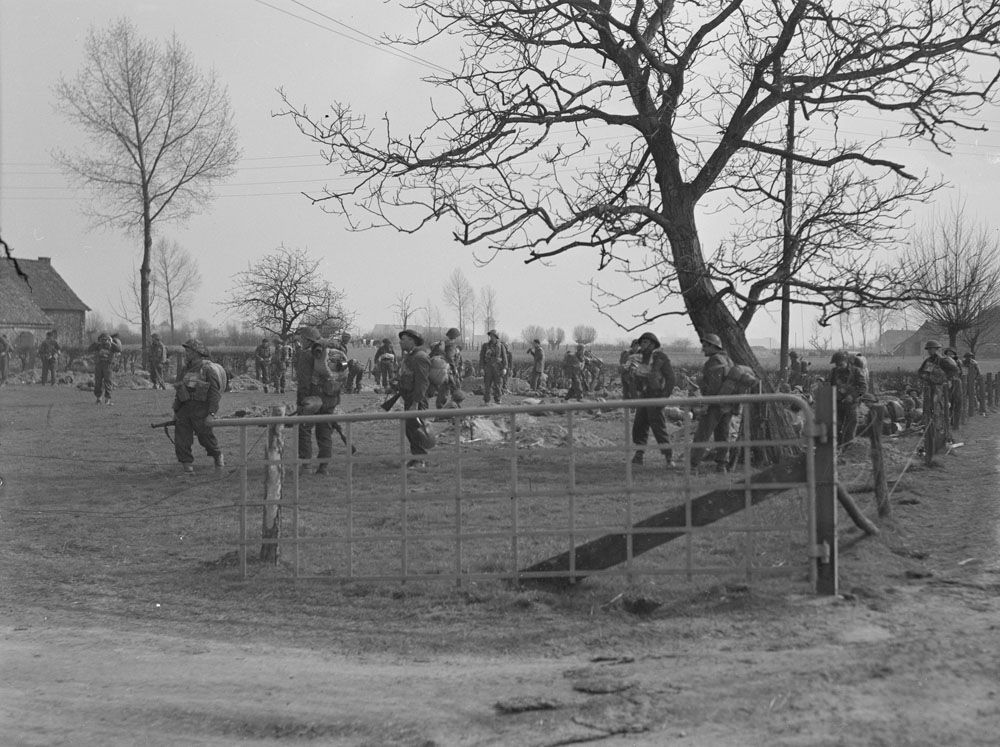
The second attack
Things didn't look good for the North Novas and at 11.45 hour Brigadier Rockingham came to the CP for a quick appreciation of the situation. After reviewing the battleground with the CO the Brigadier decided to start the attack all over again from scratch. For this the two remaining companies (C and D) were used to attack.
To make things a bit "easier" for the North Novas Typhoons were called in to attack Millingen which was on the right flank. An extra troop of Shermans was called in belonging to the 4/7th Dragoon Guards for extra support. H-Hour was set this time at 14.30 hours.
The start line again was the same as A and B-Companies had, along the dyke near the Altrhein on the southwest corner of Bienen.
C-Coy had the Shermans from the 4/7th Dragoon Guards as their supporting arms and D-Coy had the DD tanks as their support. C-Coy also managed to get along a section of Wasp flamethrowing carriers.
Just fifteen minutes after H-Hour C-Coy reported to be at the fringe of the town of Bienen against heavy losses. Five minutes later, at 14.50 hours, D-Coy reported that their CO Major Dickson was wounded and that they also suffered heavy casualties and that they were badly disorganized. To make things all worse, they also had 100 prisoners with them...
The tanks in the meanwhile were also at the fringe of Bienen. Because the advance was slowly in the advantage of the North Novas, the CP went up to the start line which was closer to Bienen with a view on the town. It was also decided that the remnants of A and B-Coys would pass through C and D-Coys. A-Coy reported that they couldn't get beyond C-Coy because of heavy sniper and machine gun fire. In the meanwhile remnants of D-Coy were located by CSM Bishop in a viaduct under the dyke near the Altrhein.
The contacts were established again and the remnants of D were put under command of B-Coy. C-Coy got the orders to clear an objective called Wing which was reached at 17.45 hours. At 18.15 hours C-Coy reported two enemy half tracks or tanks in their objectove and that two of their supporting Shermans were knocked out. An enemy Self Propelled Gun had penetrated pas their leading platoon and they had to fall back on the positions of A-Coy and dig in for a counter attack. This meant that B-Coy, who had their objective named Head, had their whole right flank open.
At 19.15 hours the CO of the North Novas returned from an O-Group and reported that the attack was to be taken over by the Highland Light Infantry of Canada at 23.00 hours. Also an O-Group was held by A and C-Coys and orders were give to take a creamery on the outskirts of Bienen. At 22.00 hours reports came in that the creamery had been taken and that the Companies held their positions until the take over by the HLI of Canada.
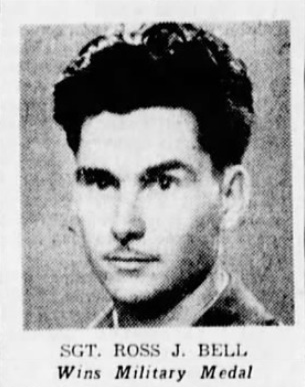
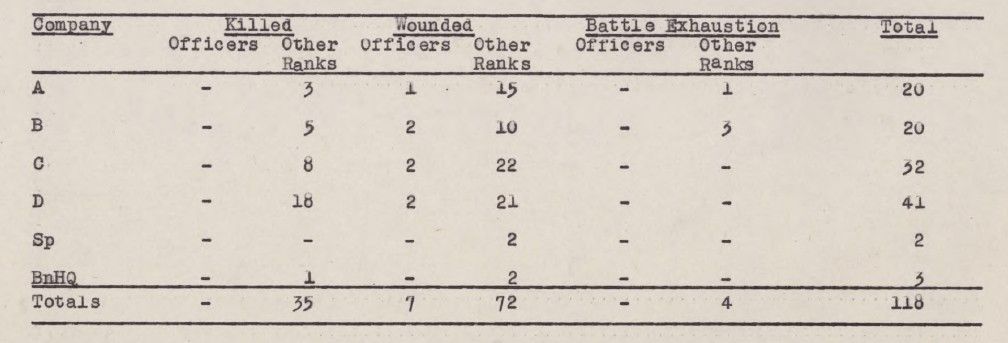
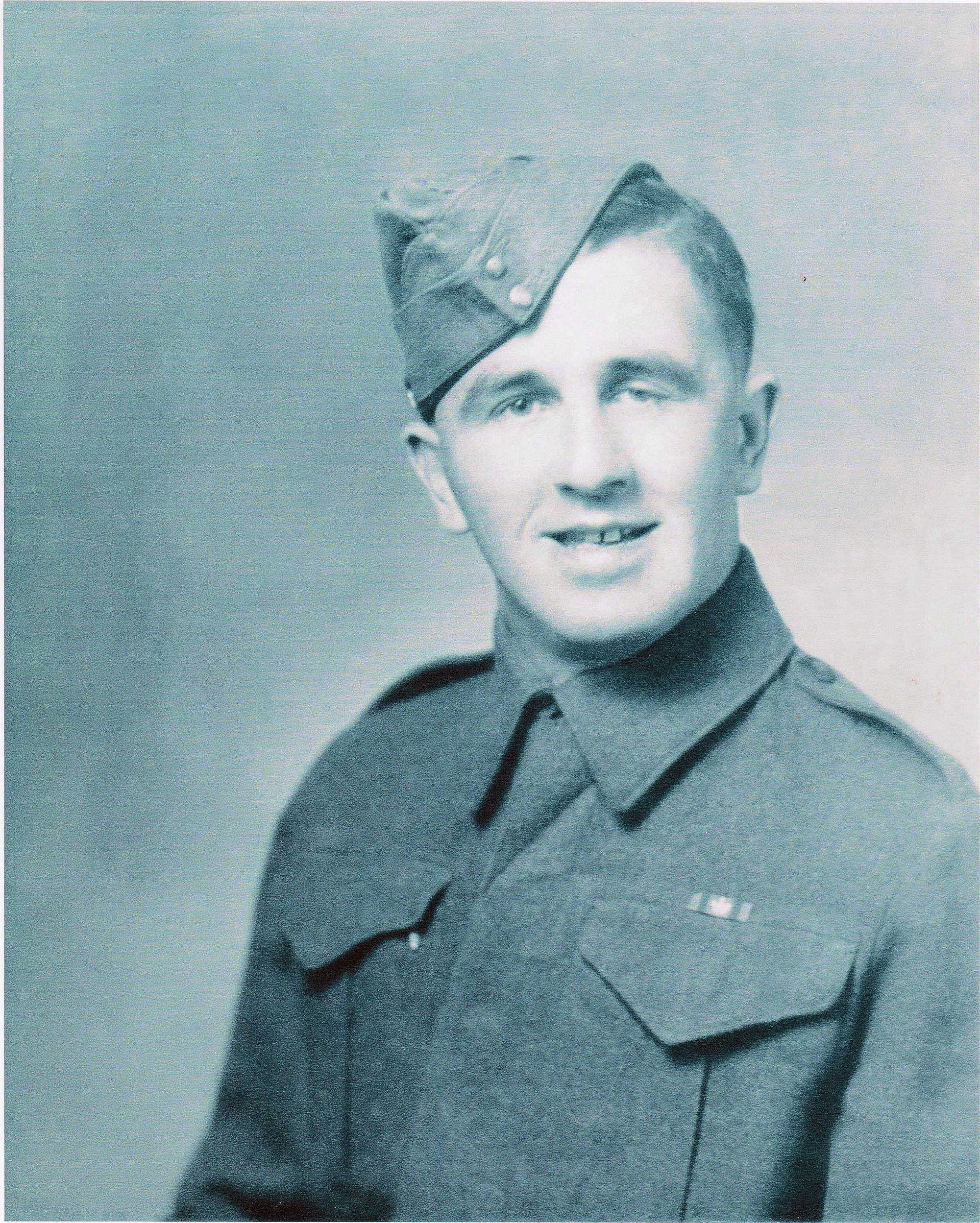
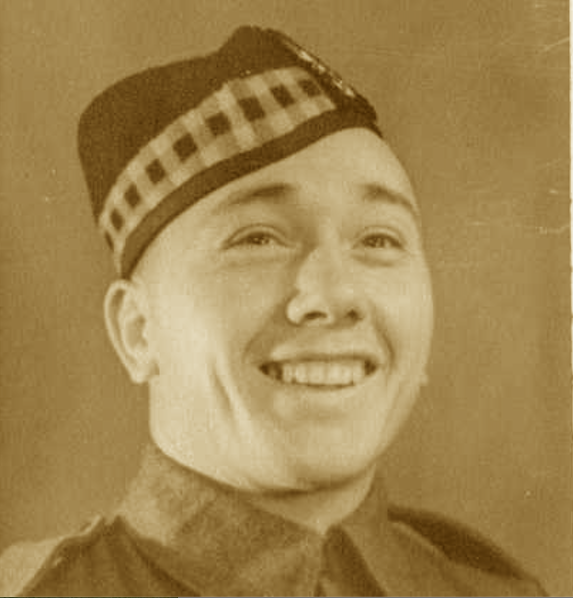
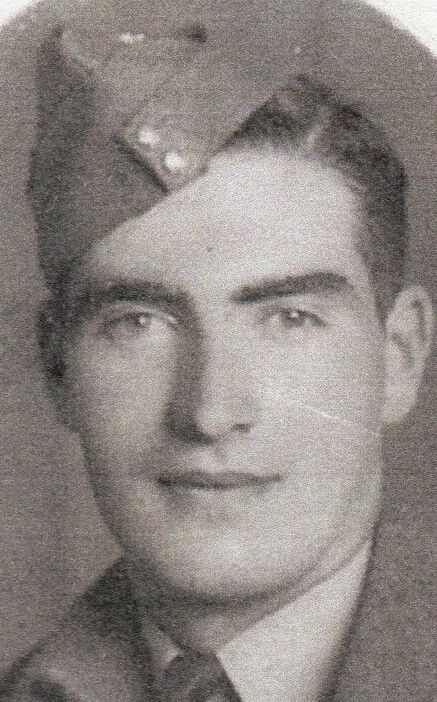
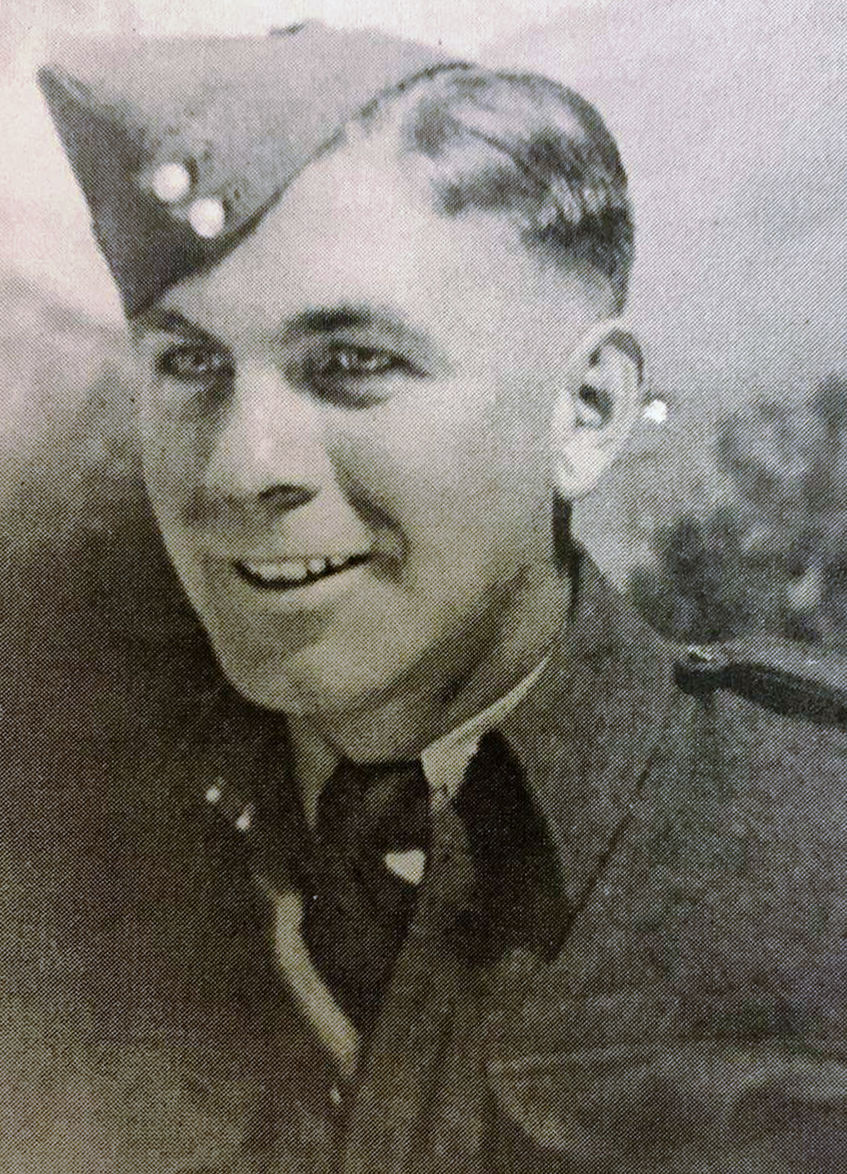
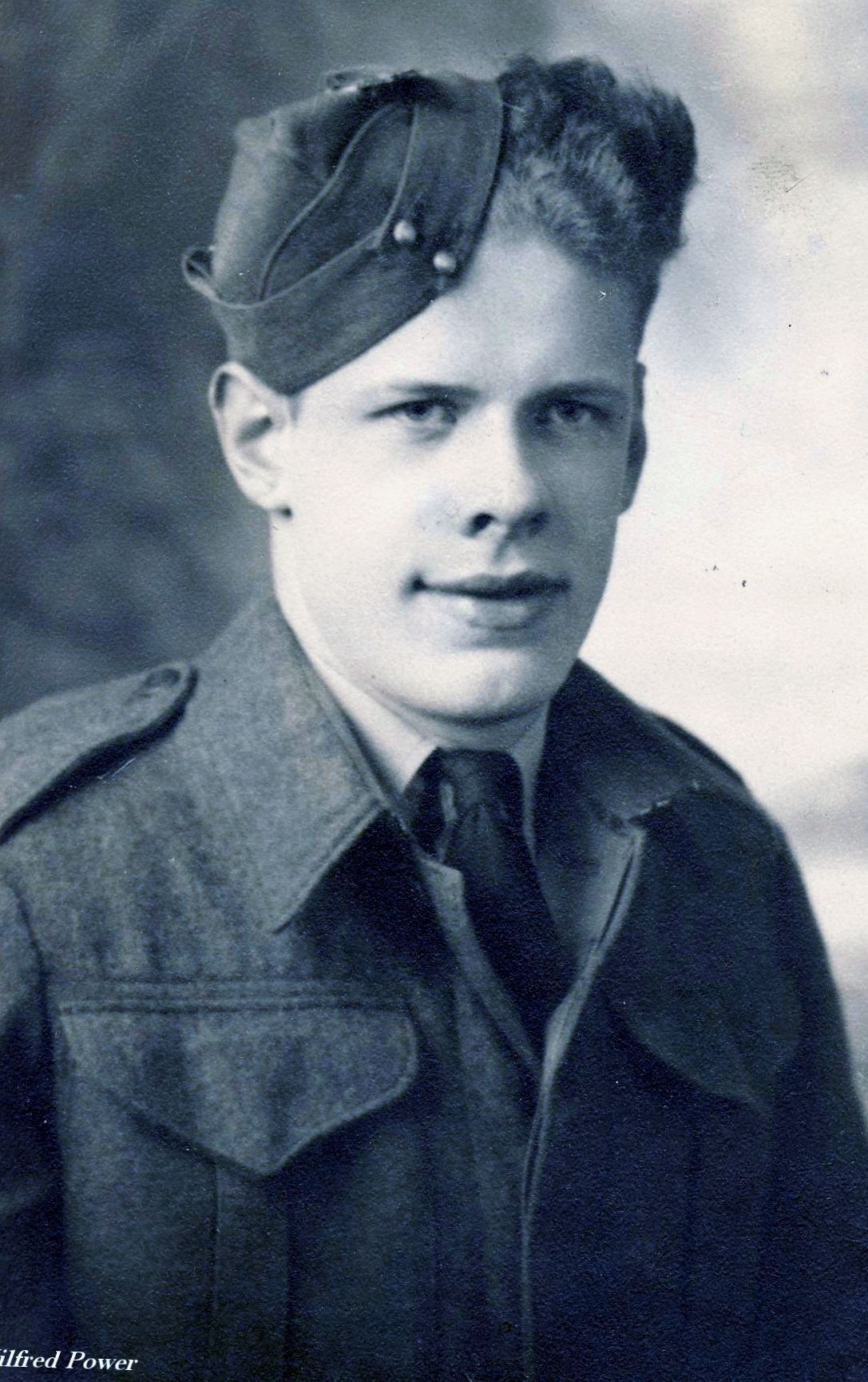
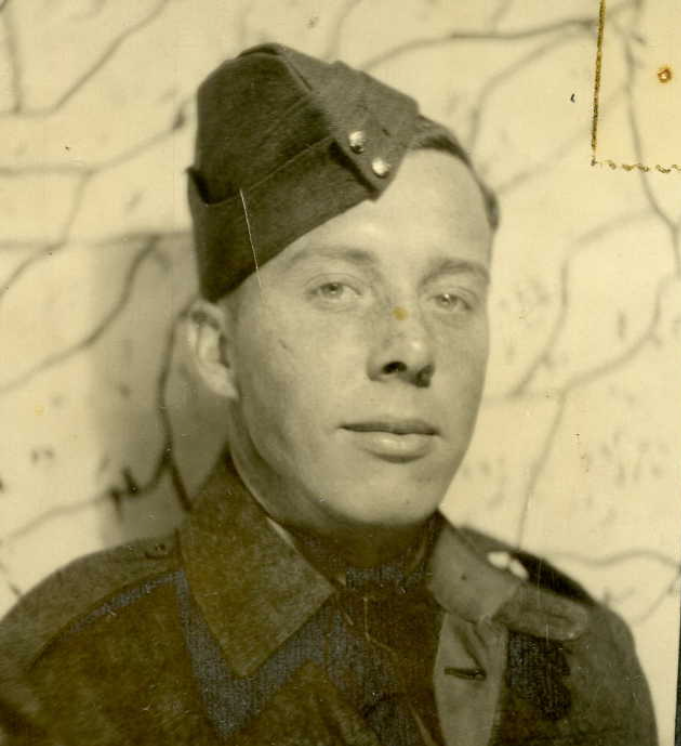
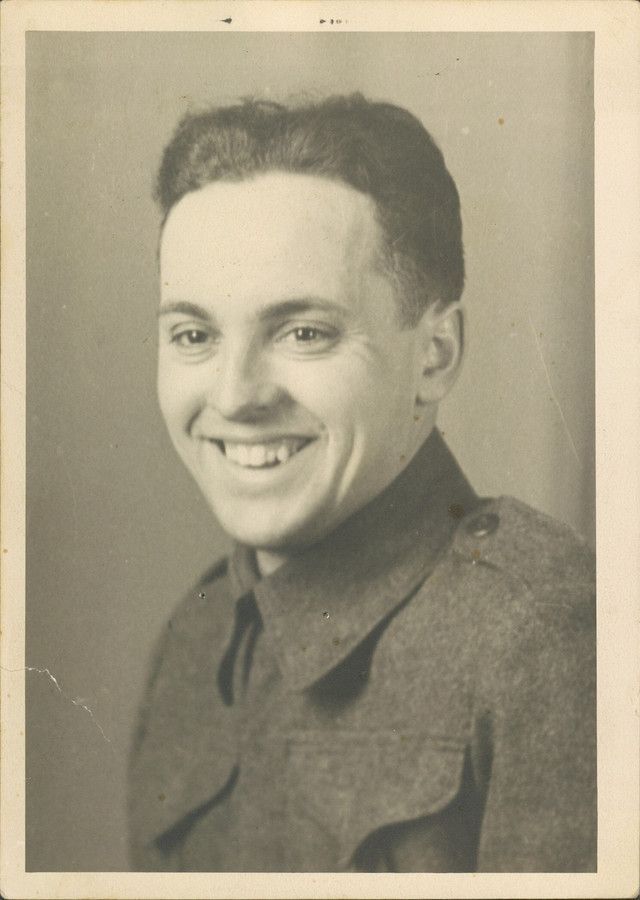
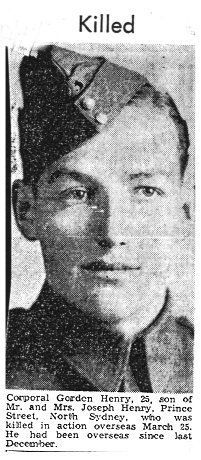
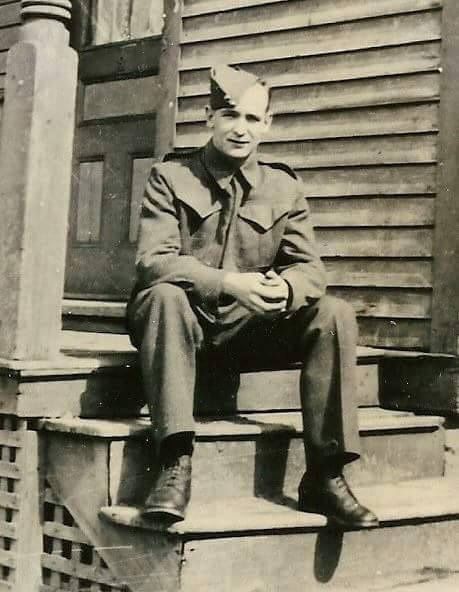
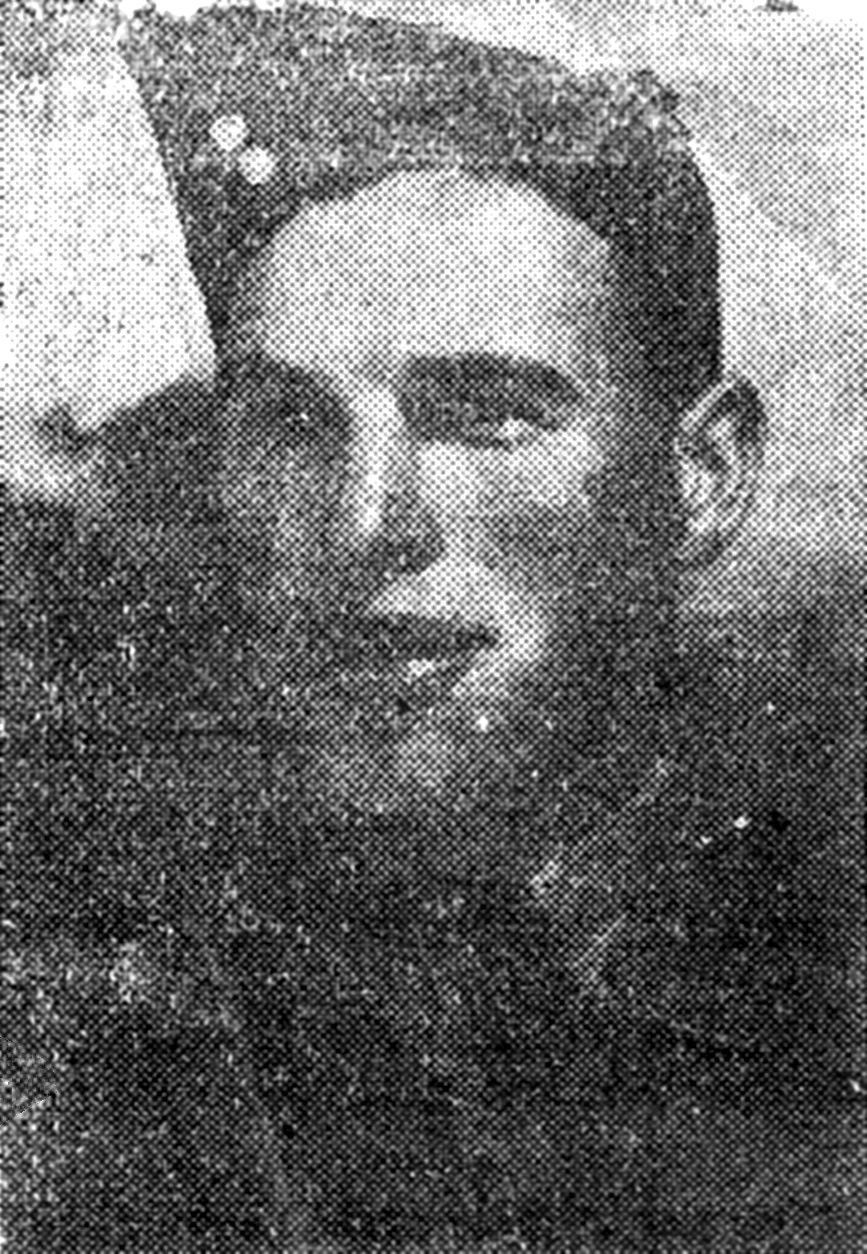
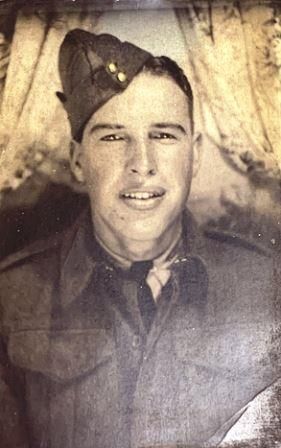
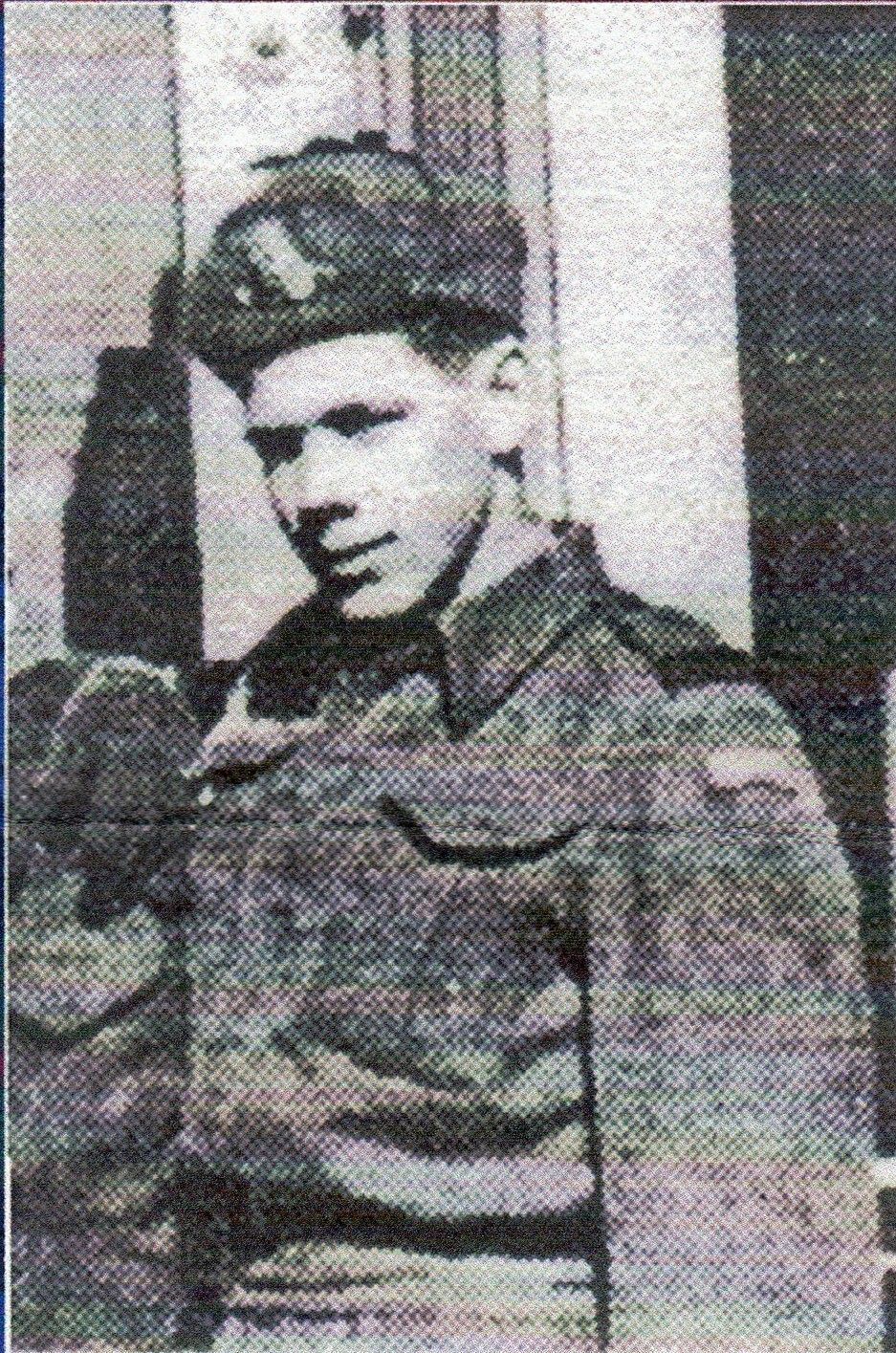
The losses for the North Novas were high and a total of 38 men were killed during the whole day. These men are all buried at Groesbeek Canadian War Cemetery.
The war diarist also made a short summary in their war diary about this tragic day:
"It was a long, hard bitter fight against excellent troops who were determined to fight to the end. It cracked open the bottleneck which had restricted the bridgehead, and from then on expansion was much easier and more rapid. The road to Northern GERMANY and HOLLAND was established. Over 200 prisoners were taken and many killed."
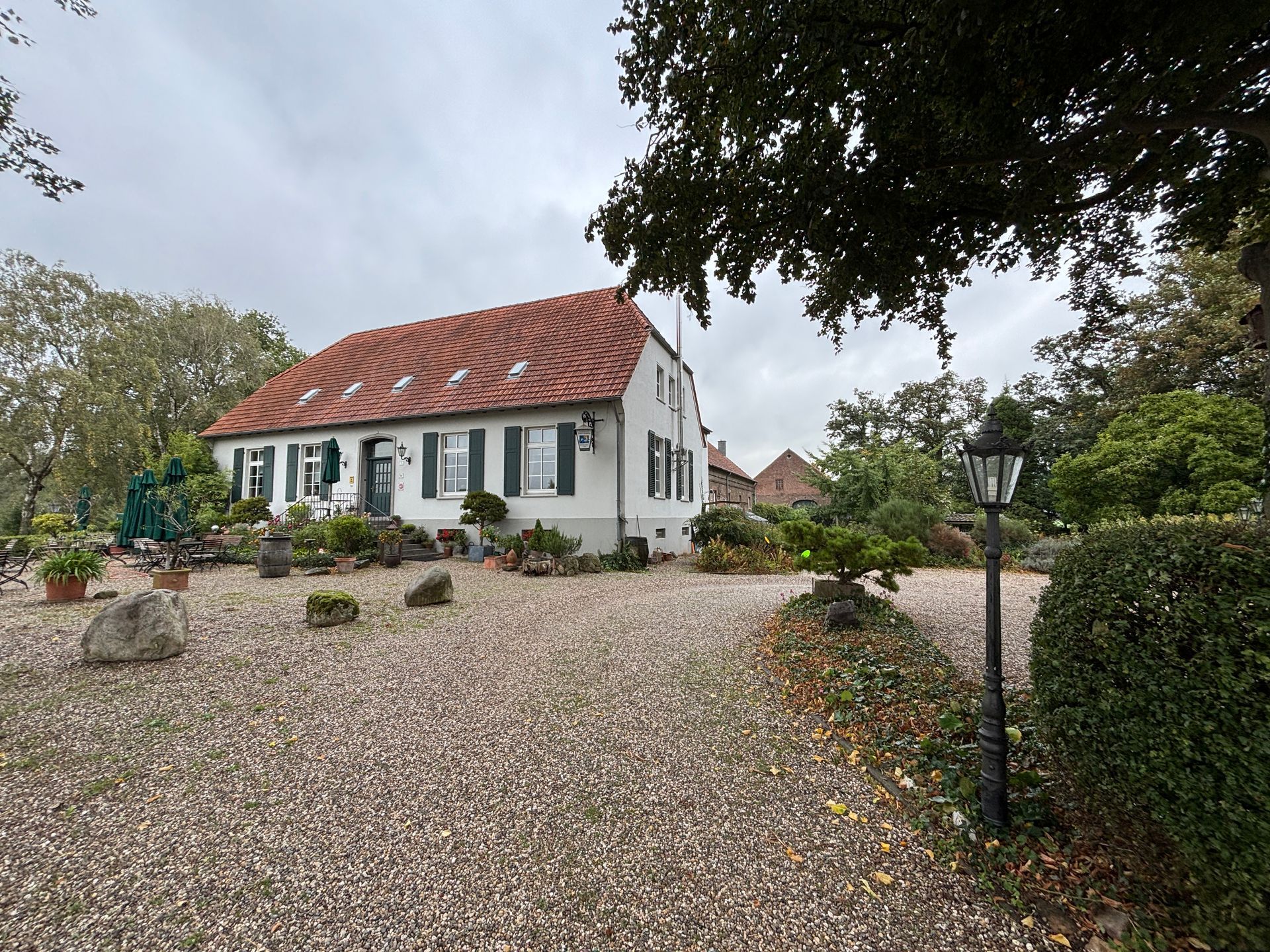
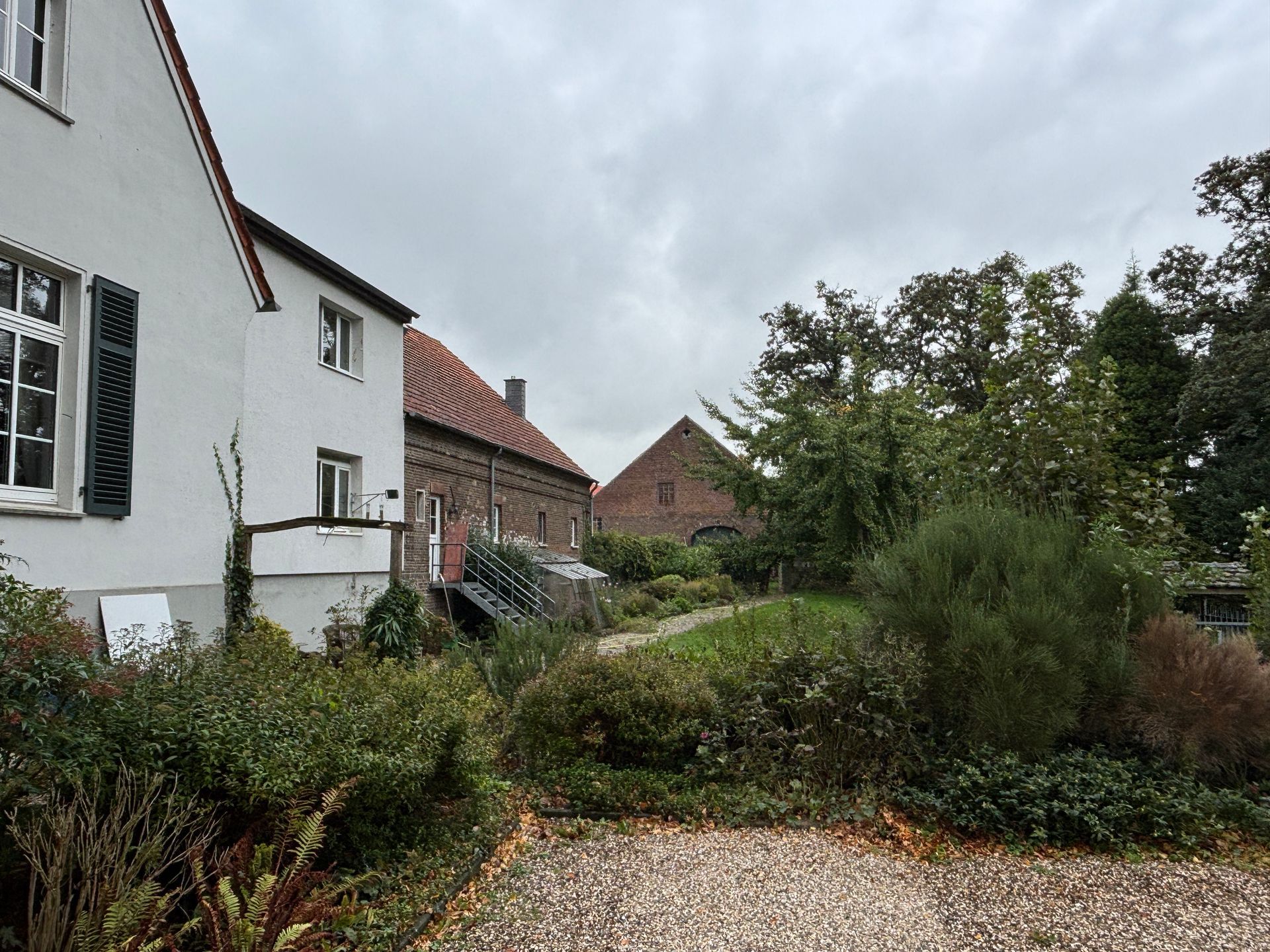
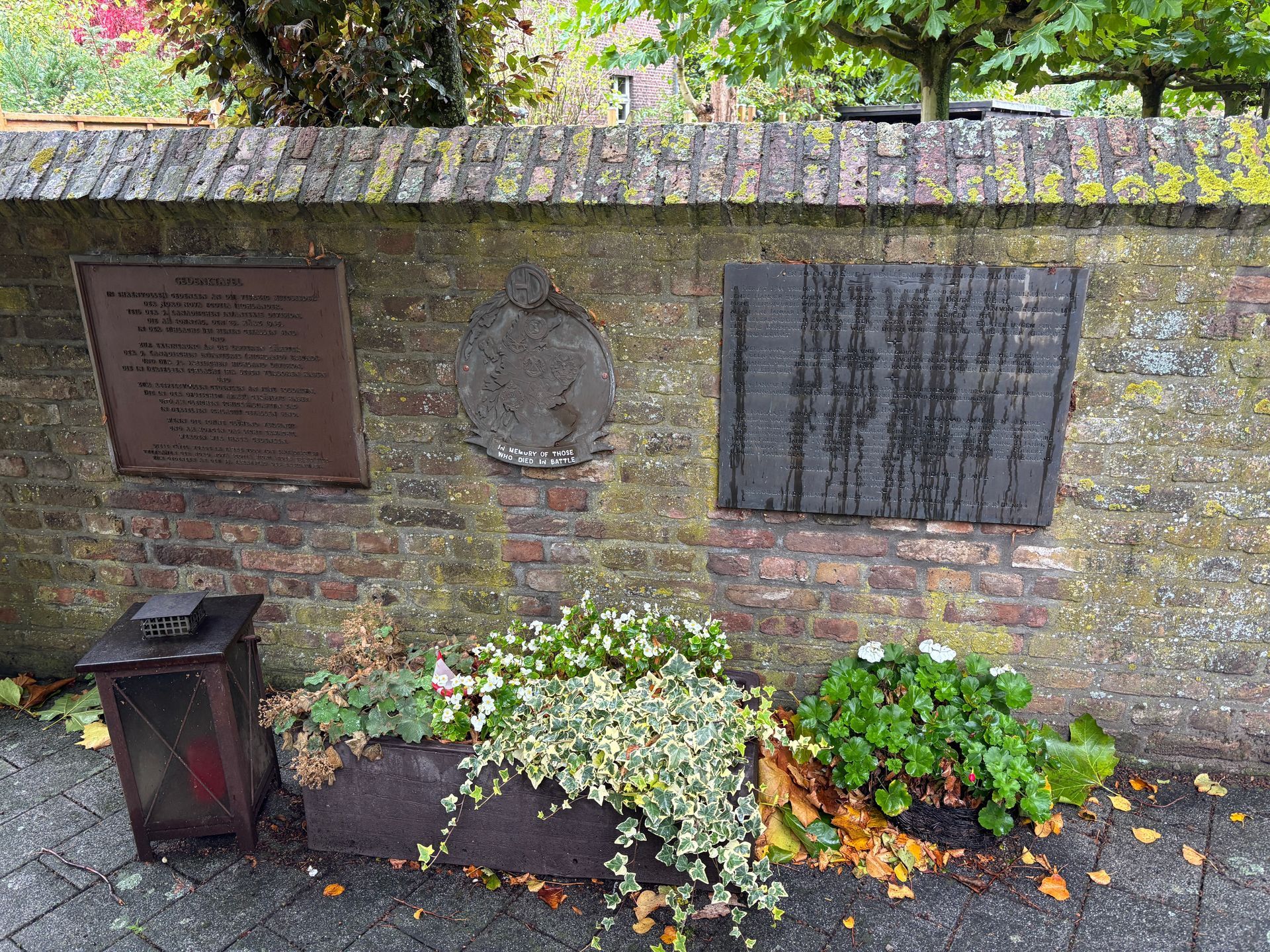
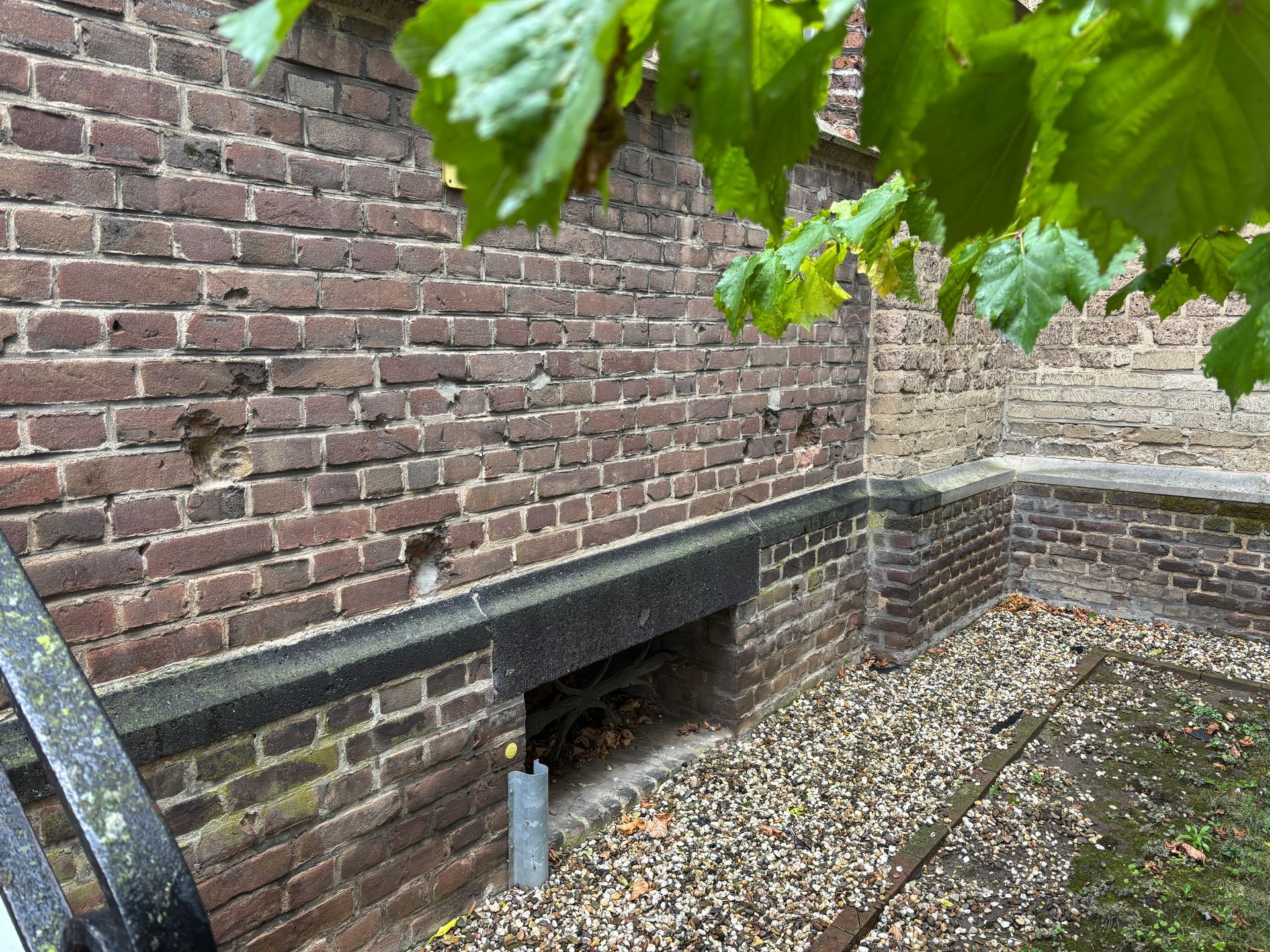
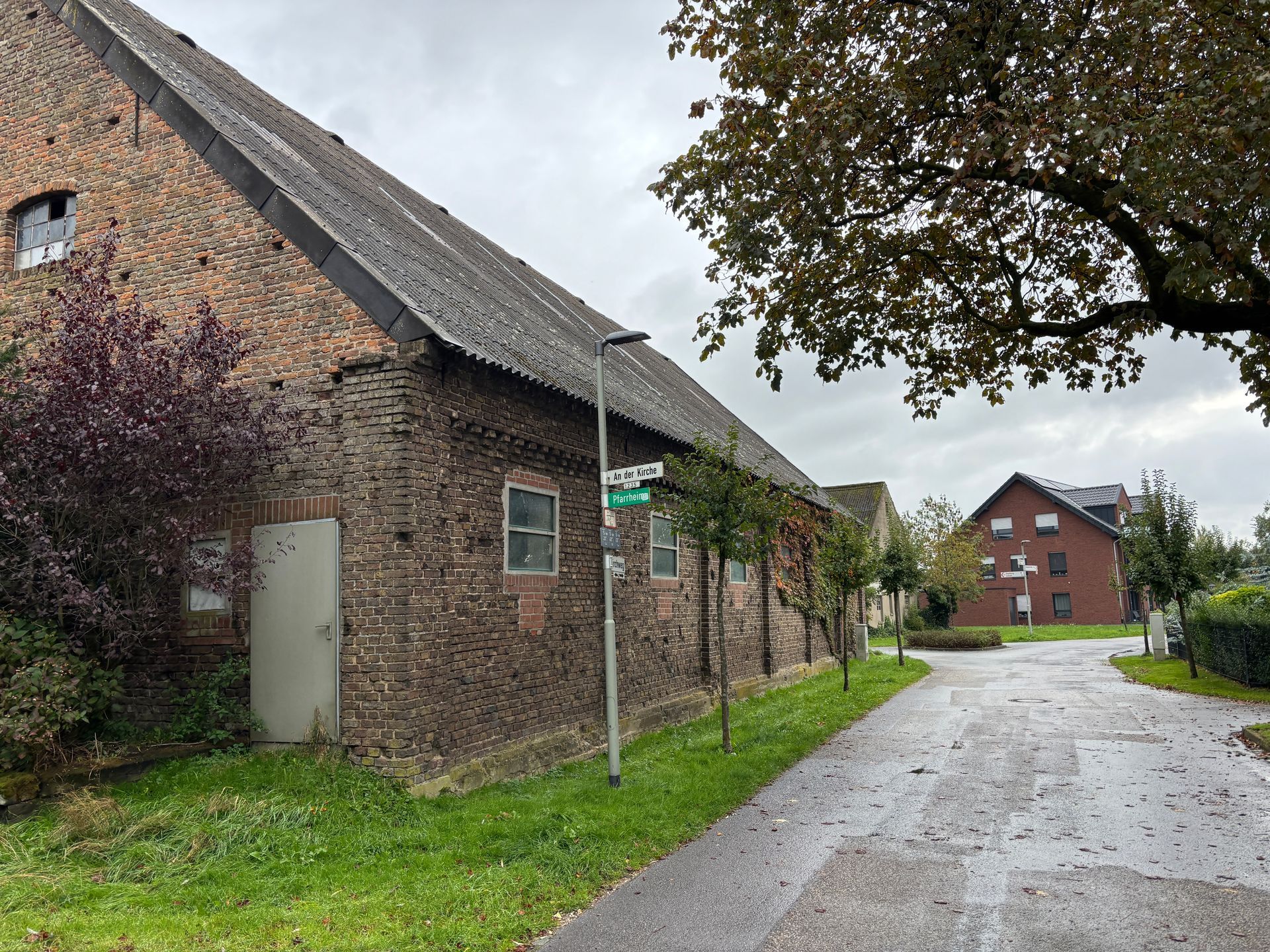
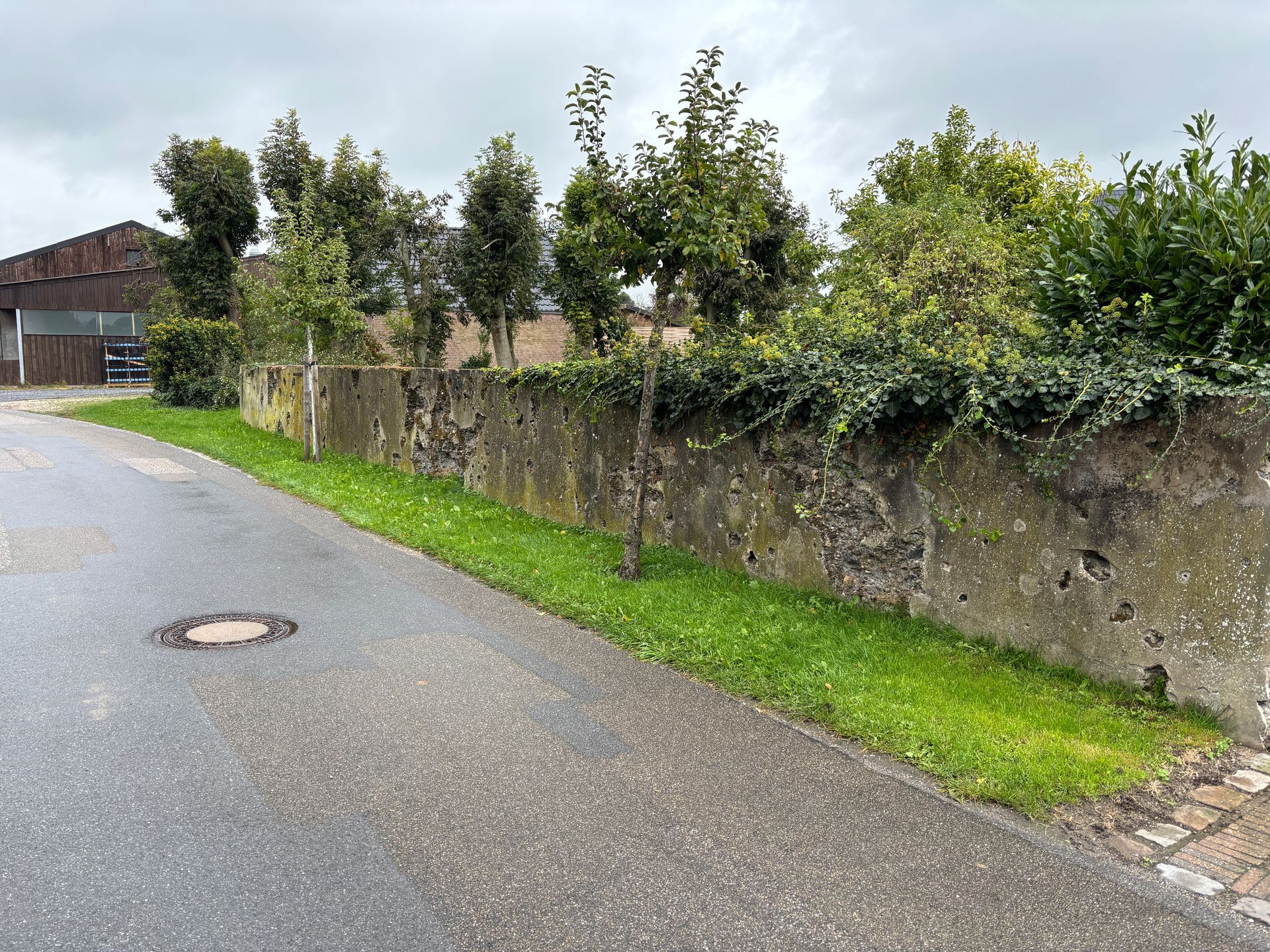
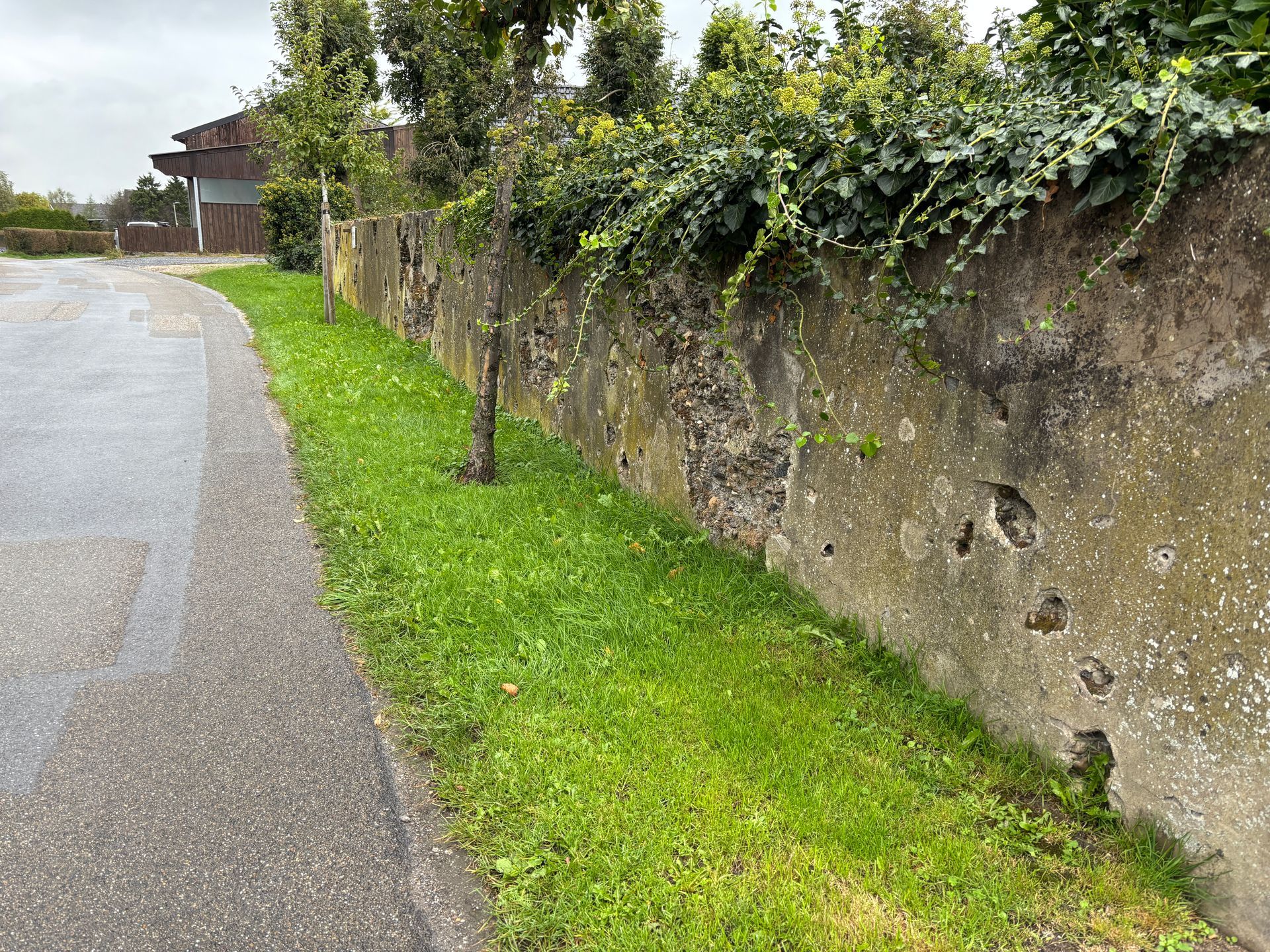
Photos from Bienen as it is today. From left to right:
- The former Command Post at Reeserward which was taken over from the 7th Argyll and Sutherland Highlanders.
- At the back of the Command Post you can still see battle scars from the fierce fighting.
- Monuments at the Bienen church commemorating the North Nova Scotia Highlanders and 51st Highland Division.
- Silent witnesses of the battle at the church of Bienen.
- A barn full of bullet and shrapnel holes in Bienen.
- The wall of a former barn which was destroyed by the battle. The wall still bears the scars of the fierce fighting.
- The was as mentioned above, but closer.
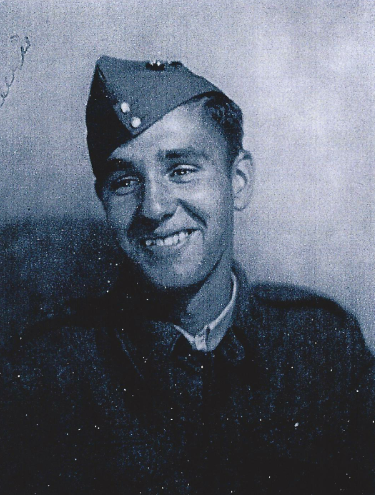
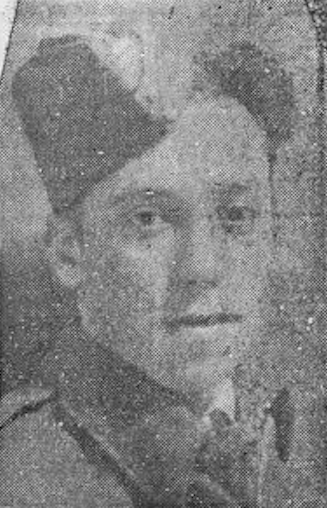
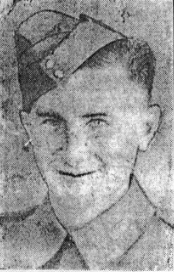
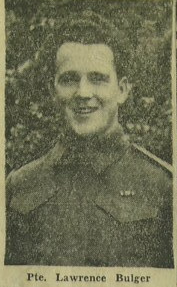
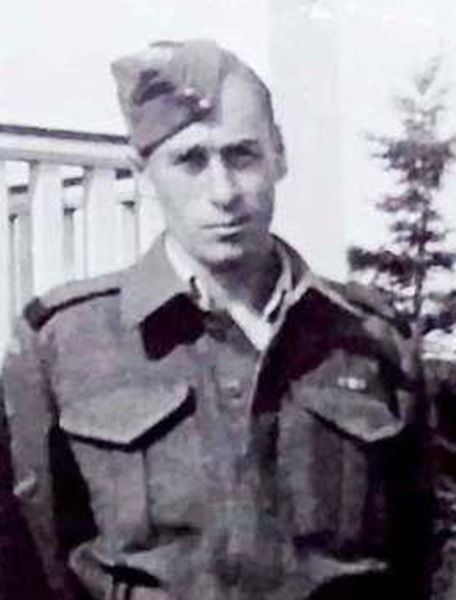
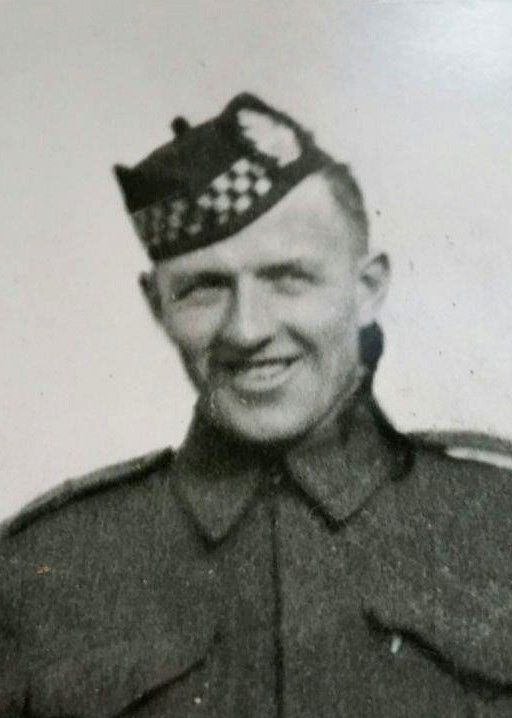
- The North Nova Scotia Highlanders casualties after the battle of Bienen.
Read about our journeys in our blogs
This is our Explore Diary